
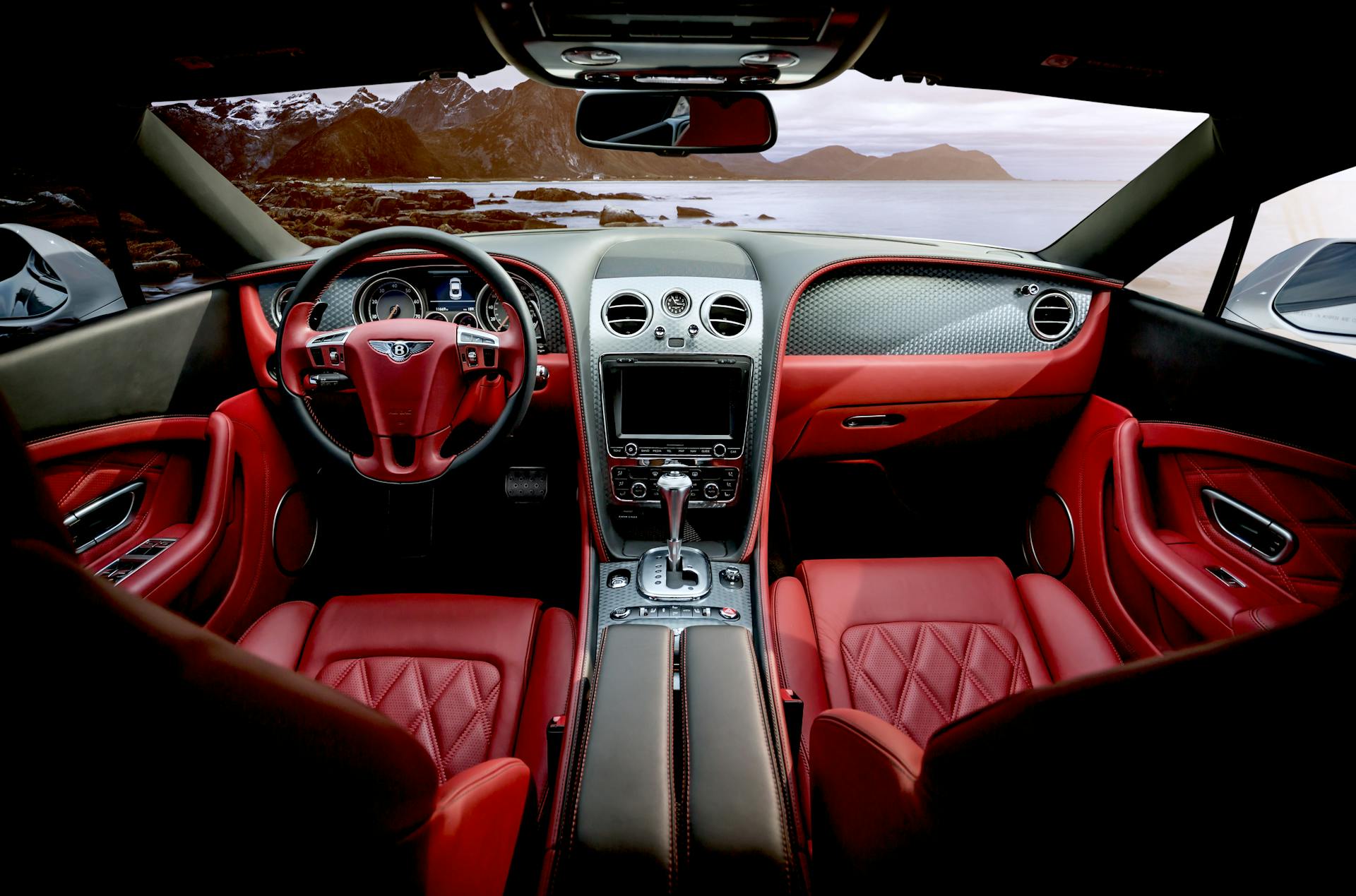
Performance driving etiquette is more than all about speed and handling potential. The best-respected enthusiasts understand that good manners separate good drivers from runaway speeders. Whether you’re burning up mountain roads, highway touring, or circuit track assaults, respecting accepted customs enables everyone to share their automotive passion safely and with respect.
It’s these unwritten rules that shape the culture of performance driving, creating a climate of respect while allowing drivers to enjoy their cars to the limits.
Highway and Public Road Procedure
Highway performance driving etiquette calls for greater courtesy and sensitivity to other traffic. The most critical rule is constant situational awareness—regularly checking mirrors, watching for police, and observing traffic flow before attempting any hard maneuvers. Differential speeds are more critical than absolute speeds; smooth and consistent passing of slower traffic prevents dangerous situations.
Never take spontaneous street racing invitations or react to hotheaded drivers who want to fight. Know that professional drivers know public roads are not racing circuits, no matter how capable the car is in performance. Reserve performance capability for safe passes and emergency maneuvers, not recreation or ego.
Key points:
- Always pass on the left and get back to the right lane in a timely way
- Use more following distance with higher closing speeds
- Use performance capabilities solely for passing safely, not recreation
Good lane discipline is vital when driving aggressively on highways. Pass on the left always, move back to the right lane immediately after passing, and clearly signal intentions. Be aware that your performance vehicle’s braking and handling performance far surpasses that of the average commuter car.
Read More: 7 Ways Augmented Reality (AR) Windshields Will Change Driving Forever
Backroad and Canyon Driving Etiquette
Backroad driving comes with unique challenges that demand special performance driving etiquette. Yield to locals and traffic that travel the roads daily for work and groceries. Pull over safely when faster traffic moves up behind you, even if you are already driving aggressively yourself.
Treat private property and resident communities on scenic routes with respect. Pull over in designated parking areas, keep noise levels moderate during early morning or late evening use, and never block access roads or driveways.
When piloting group leads, pilot at moderate speeds, mindful of the least capable driver and the lowest-performing vehicle in your group. Signal clearly for hazards, slower traffic in front, or stopping points. Never drive over a blind bend you cannot see past, and always give adequate space for following traffic to overtake safely.
Read More: 10 Muscle Cars That Made Every Other Car Look Weak
Group Drive Safety Procedures
Successful group drives have protocols and communication established before departing. Use experienced drivers as sweep cars to assist those who are having mechanical issues or trouble staying on track. Establish fuel stops, rest stops, and lunch stops in advance so there is no question during the drive.
Performance driving etiquette is simply respect—respect for other drivers, for the roads we happen to have access to, and for the sport as a whole. Having those unwritten rules in place ensures that future generations of aficionados will be permitted the same amount of access and liberty as we enjoy presently. The best driver is not always the quickest; there is real talent in the ability to merge speed with judgment, courtesy, and an unshakeable commitment to safety.
Read More: 10 Things to Know About the Next Generation of EV Batteries: Solid-State, Sodium-Ion, and Beyond
