
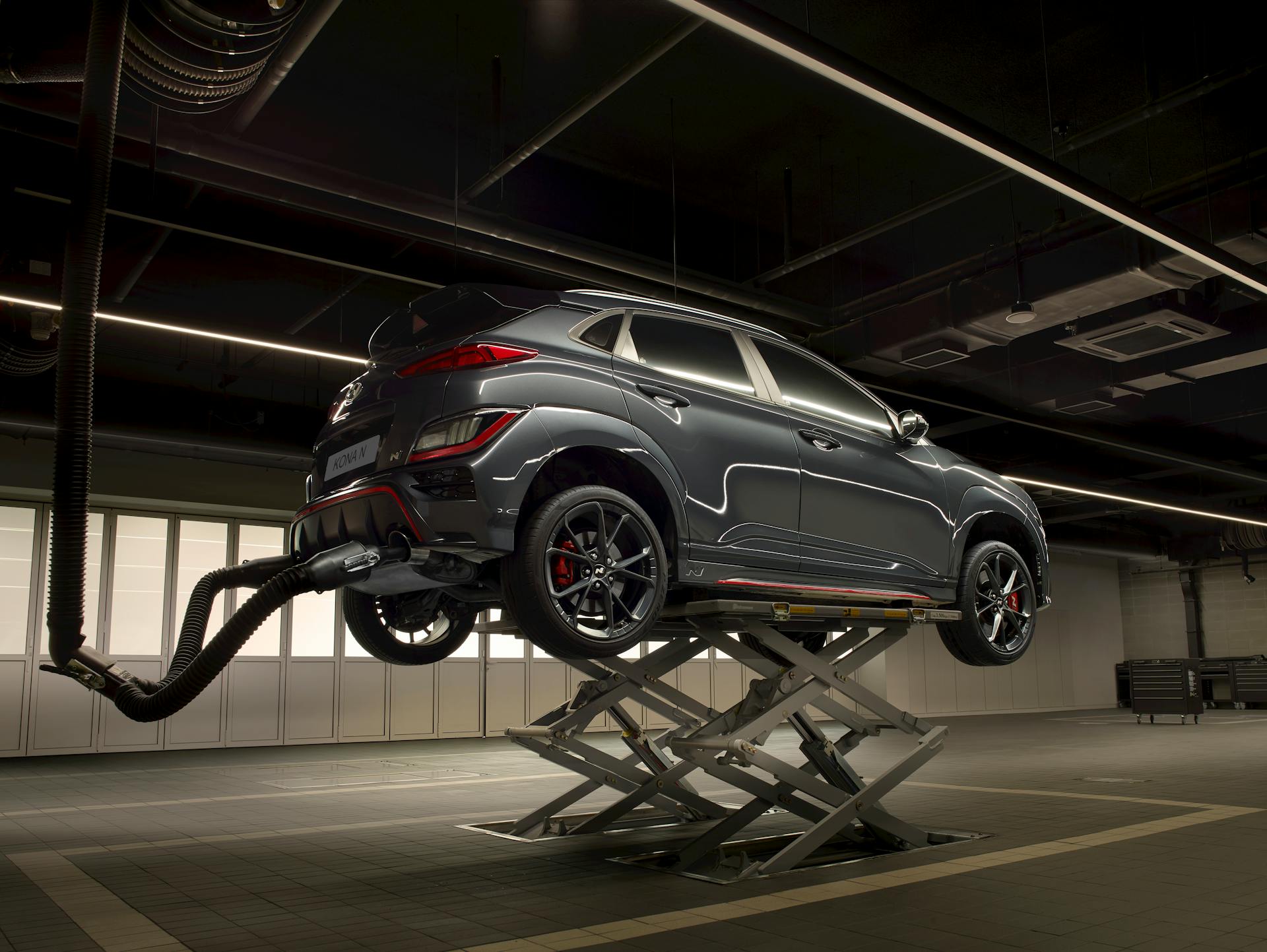
Do you recall when it was a trade-off between comfort and handling, where you had to choose between getting a cushy luxury ride or a bone-jarring sports car? Those times are numbered thanks to AI-driven suspension systems that can adapt to road conditions faster than the blink of an eye. Your car is actually learning to give you the perfect ride, whether it’s gliding over highway sweepers or traversing city potholes.
Beyond Classic Suspension Limits
The Old Compromise
Traditional suspension systems are difficult for makers. Softer suspension settings are comfortable but compromise handling and body control. Stiffer suspension configurations provide responsive handling but pummel riders on bumpy roads. Even adjustable systems require driver intervention and cannot react to varying conditions in real-time.
Enter Artificial Intelligence
AI-managed suspension systems read the road, driving, and vehicle dynamics thousands of times per second. They see what’s coming and adapt suspension settings before you’ve even noticed the road deviation. It’s like having a co-pilot who knows every bump, turn, and surface change before you do.
How Smart Suspension Actually Works
Sensor Integration
These vehicles employ cameras, radar, and lidar to gaze down the road and sense potholes, speed bumps, and surface changes up to 100 meters in the distance. Accelerometers and gyroscopes monitor motion in real time, and wheel speed sensors measure traction.
Predictive Algorithms
AI algorithms sort through this sensor data with GPS mapping, weather, and past driving patterns. Your preferences are learned by the system – whether you crave comfort on your daily commute or enjoy sportier modes on Saturday drives.
Millisecond Responses
High-performance systems can adjust damper settings in under 5 milliseconds – faster than human reflex. This is comparable to your suspension already acting before you’ve even noticed a road change, creating an almost telepathic connection between driver and car.
Read More: Hyperdriving: What Happens to the Brain at 200 MPH?
Real-World Applications
Mercedes-Benz E-Active Body Control
Mercedes’ new system pre-scans road surfaces with stereo cameras and subsequently adjusts each wheel’s suspension individually before contact. The car can actually lean into turns like a motorcycle or raise one wheel up over a bump. It’s a pre-emptive suspension, not just a reaction.
Audi’s Predictive Active Suspension
Audi combines suspension control with navigation data and swarm intelligence from other connected cars. When another Audi runs over a pothole, your car’s system learns from it and prepares. It’s crowd-sourced road smarts that improve all your drives.
BMW’s Adaptive M Suspension
BMW’s system learns your personal driving style and automatically selects optimal settings. It recognizes when you’re driving aggressively on mountain roads and easy on the freeways, making adjustments as necessary without your input.
Read More: 7 Ways Augmented Reality (AR) Windshields Will Change Driving Forever
The Comfort Revolution
Personalized Ride Profiles
Personalized comfort profiles are designed by AI systems for drivers and passengers. Your car learns that you prefer soft settings on your morning trips but sporty suspension at night. Family members can have vastly different settings stored and automatically retrieved.
Predictive Pothole Management
Luxury systems don’t just react to bumps; they attenuate them. By lifting the struck wheel a little earlier and handling rebound thereafter, suspension from AI can transform gargantuan potholes into minute hiccups.
Weather and Surface Adaptation
Rain changes the manner in which suspension needs to behave in order to deliver the best traction and ride quality. Snow is different from wet roads. Clever systems do all that themselves, dependent on weather and surface sensors.
Beyond Comfort Performance Benefits
Dynamic Handling Enhancement
AI suspension is not all about comfort; it also improves vehicle dynamics. The system can stiffen suspension mid-corner for better handling, then instantly return it to a more comfortable setting for cruising on straight roads. You get sports car handling and luxury car comfort.
Tire Wear Optimization
By maximizing tire contact with roadways, intelligent suspension systems extend tire life and fuel efficiency. The AI ensures that each tire supports optimal load distribution across all roads.
Safety Improvements
Predictive suspension systems can accumulate for emergency maneuvers by pre-loading the vehicle’s weight distribution. This improves emergency braking as well as stability during unexpected direction changes.
Challenges and Future Development
Cost and Complexity
Today’s AI suspension systems are $5,000-15,000 more expensive for cars and rely on sophisticated sensors throughout the vehicle. They are substantially more complicated to service than traditional systems.
Learning Curve Requirements
It takes time and data to fine-tune the performance of the systems to a specific driver. Ride quality is not optimum until the AI is familiar with your personal preferences and driving habits.
The Road Ahead
Machine Learning Evolution
Next-generation cars won’t just learn from an individual car but from entire fleets, creating collective knowledge of road conditions, weather impact, and optimum suspension settings for a particular scenario.
Autonomous Driving Integration
Cars will be more autonomous, and suspension systems will be coupled with autonomous algorithms to provide flawlessly optimized rides without any intervention or preference setting required.
Smart suspension is a shift away from reactive to predictive vehicle dynamics. Your car is getting really smart when it comes to ride quality, learning your routine while continually tweaking to provide the optimal ride. The car’s future of comfort isn’t better parts, it’s better thinking.
Read More: 10 Things to Know About the Next Generation of EV Batteries: Solid-State, Sodium-Ion, and Beyond
