

Artificial intelligence isn’t just powering chatbots and search engines—it’s riding shotgun in your daily commute. Whether you realize it or not, today’s cars are loaded with AI systems that watch, learn, and decide in real time.
From safety to convenience to personalization, AI is doing more behind the wheel than most drivers know. Here are 10 ways AI is already in your car—and how it’s shaping your driving experience.
1. Adaptive Cruise Control

Adaptive cruise doesn’t just maintain speed—it uses AI to monitor the car in front of you and adjust your pace automatically.
It learns your preferred following distance, responds to traffic flow, and can even come to a full stop in traffic. The system constantly makes decisions to keep things smooth—and safe.
2. Lane Keeping Assist

AI tracks the lines on the road and nudges the wheel if you start to drift. It detects curves, adjusts pressure, and keeps you centered—even if the lane lines are faded.
This isn’t a static system. It uses machine learning to adapt to different roads and conditions over time, getting smarter with each drive.
3. Driver Monitoring Systems
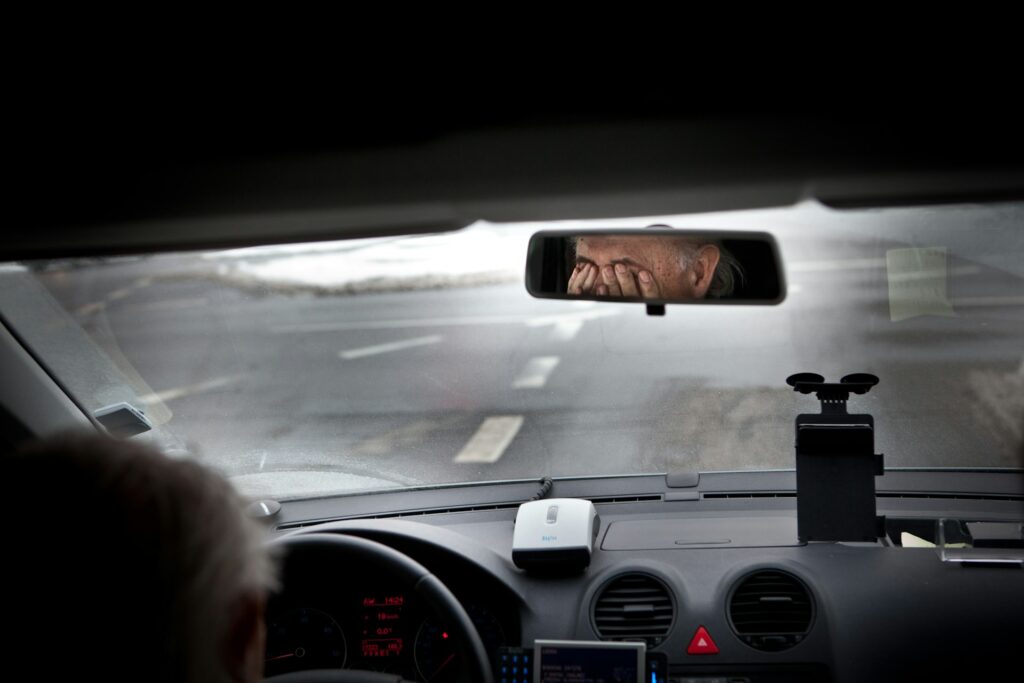
If your car watches your eyes, head position, or even blinks—it’s using AI to detect distraction or drowsiness.
These systems don’t just sound alarms randomly. They learn your behavior patterns and spot signs of fatigue or inattention with growing accuracy.
4. Voice Assistants That Understand You Better
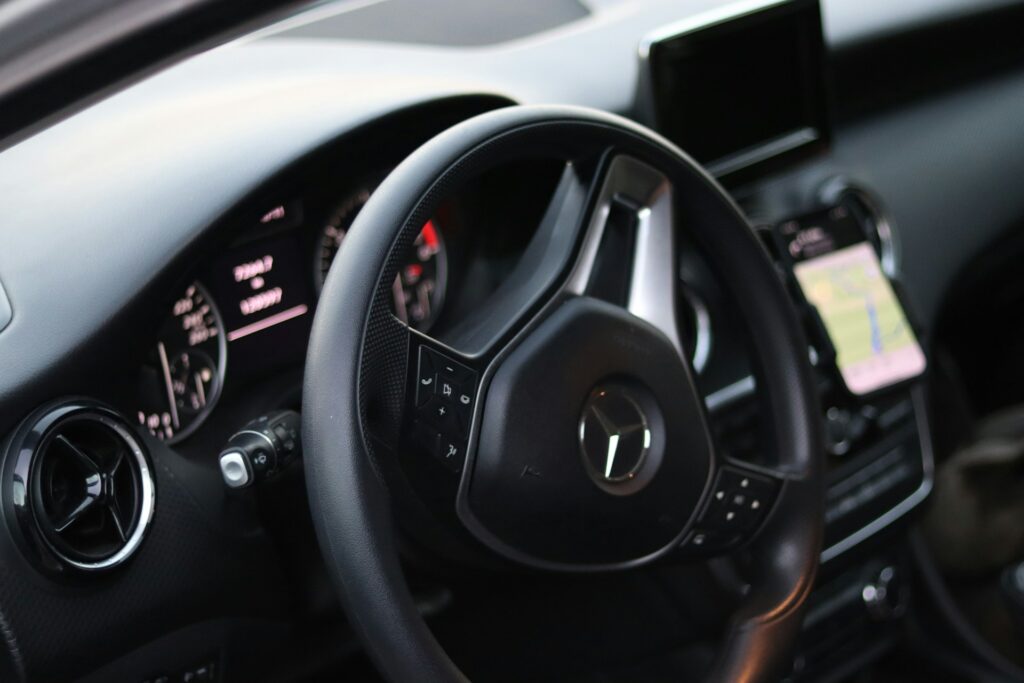
Gone are the days of robotic commands like “CALL MOM.” Today’s voice assistants use natural language processing powered by AI.
They understand context, slang, and even follow-up questions. You can say “I’m cold” or “Find the nearest coffee shop,” and your car figures it out—on its own.
5. Collision Avoidance Systems

AI crunches data from cameras, radar, and sensors to predict when a crash might happen. Then it hits the brakes or tightens the seatbelts before you even react.
It doesn’t just react to obstacles—it predicts them. That’s AI keeping you safe in split-second decisions.
6. Smart Parking Assistance

Self-parking tech uses AI to scan for spaces, calculate turning angles, and guide your car into the spot—without hitting a thing.
These systems learn from each attempt. They get more confident with tighter spaces and tougher angles the more they operate.
7. Personalized Driving Modes

Some vehicles adjust steering, suspension, and throttle response based on your driving history. Over time, AI learns your habits and adapts its performance to match.
Whether you’re a smooth cruiser or a weekend warrior, your car may already be fine-tuning itself to your style—automatically.
8. Predictive Maintenance Alerts
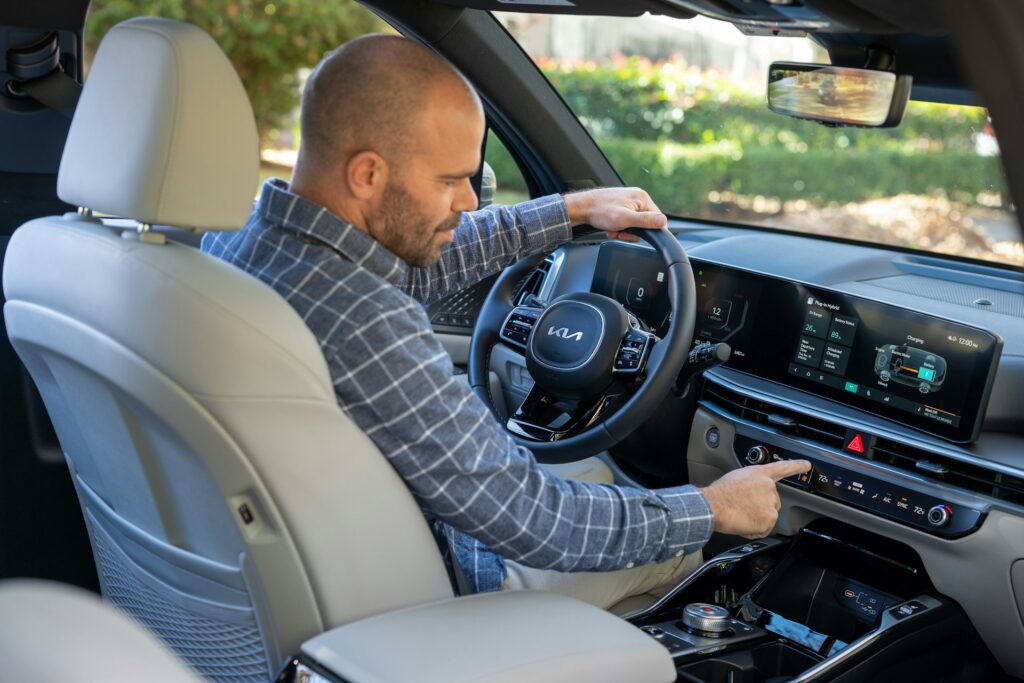
AI monitors everything from tire pressure to engine health. Based on patterns and past data, it can predict when something is about to go wrong—and tell you before it happens.
These alerts are more accurate than basic mileage counters. They’re tailored to your driving behavior and real-world wear.
Read More: The Unexpected Costs of Owning an Electric Car in 2025
9. In-Car Cameras That Recognize Traffic Signs

Cameras powered by AI can read speed limit signs, detect construction zones, and adjust your notifications on the fly.
This system blends computer vision and AI to improve situational awareness, even in unfamiliar areas or bad weather.
Read More: 10 Trucks So Tough They Might Outlive You
10. EV Battery Management
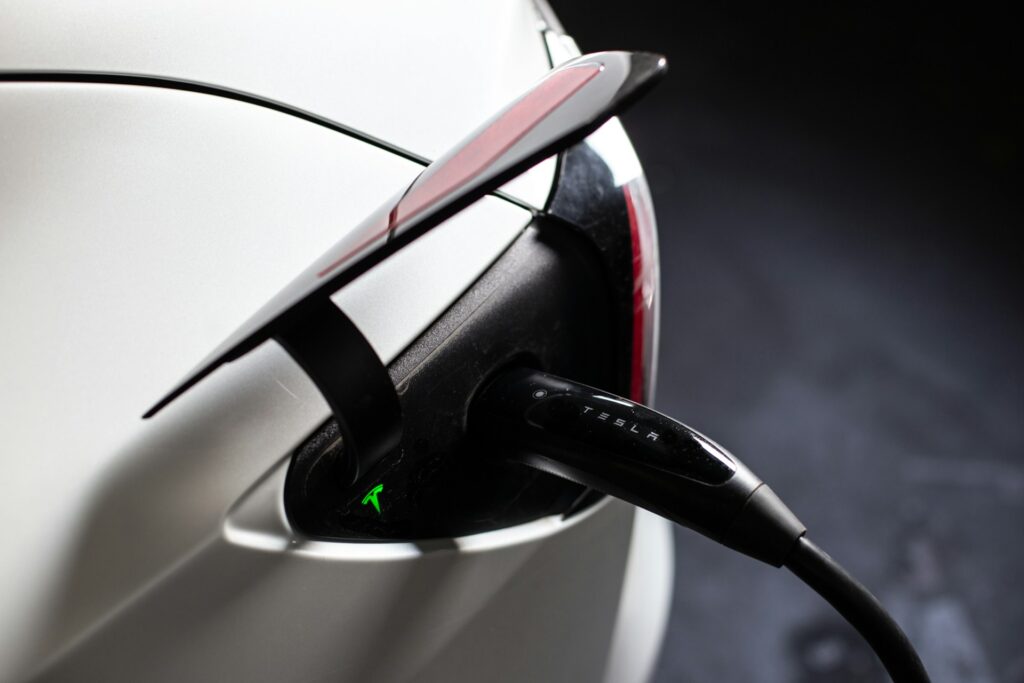
Electric vehicles rely heavily on AI to estimate range, route charging stops, and optimize battery use in real time.
It considers your speed, route, climate, and driving habits. The more you drive, the better it gets at predicting how far you can really go.
Read More: 10 Wild (But Realistic) Predictions for the Next 50 Years of Automotive Tech
