

Artificial intelligence is transforming the way we drive. In 2025, AI-powered features will make cars safer, smarter, and more intuitive than ever before. From accident prevention to personalized driving experiences, cutting-edge technology is redefining what vehicles can do.
These advancements aren’t just about flashy tech. They’re about making every trip smoother, reducing human error, and saving lives. Here’s how AI will shape the future of driving this year.
1. Smarter Driver Assistance Systems
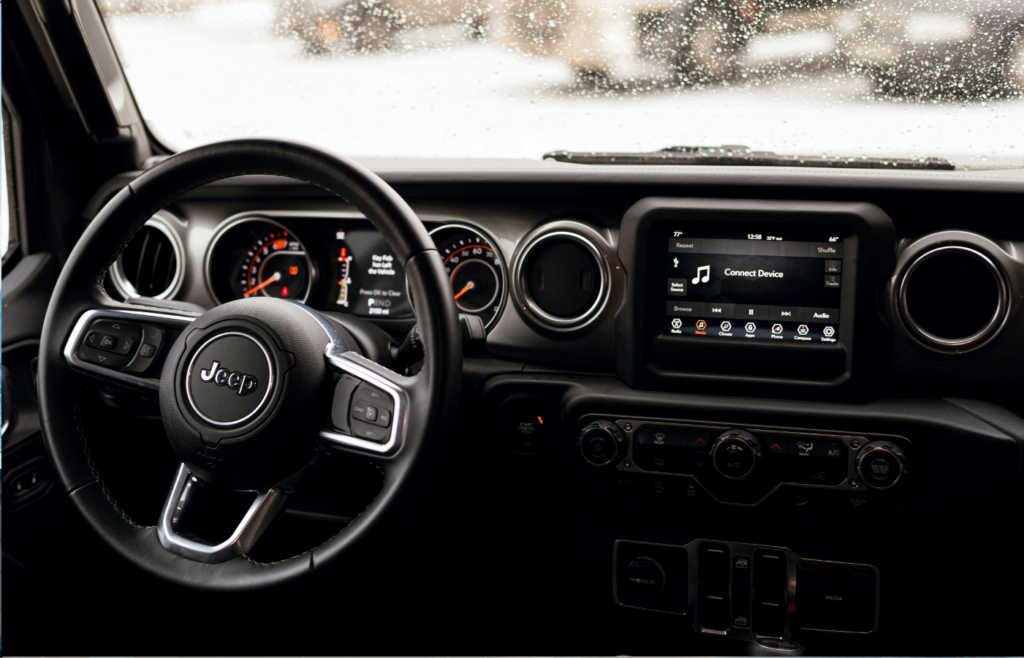
Advanced driver assistance systems (ADAS) have been evolving for years, but 2025 will bring them to the next level. AI-powered sensors and cameras will analyze road conditions in real time, predicting hazards before they become dangerous. These systems will help drivers stay centered in their lanes, maintain safe distances, and even react faster than humans in emergencies.
Expect AI to work alongside drivers instead of replacing them. Unlike older systems that simply beep warnings, new AI-driven assistants will learn from driving habits, adjusting their alerts and interventions to be more intuitive. This means fewer annoying false alarms and more effective, life-saving interventions.
2. AI-Powered Accident Prevention
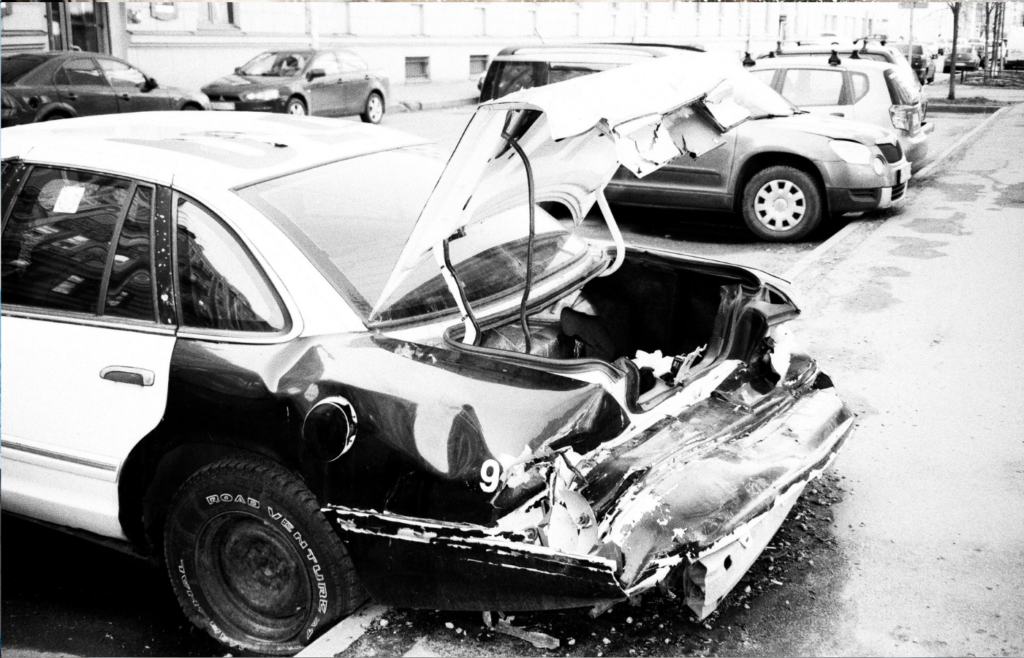
One of AI’s most important roles in 2025 will be preventing accidents before they happen. Using machine learning, cars will recognize patterns that indicate potential collisions—whether it’s a pedestrian stepping into the street or another vehicle suddenly swerving. AI will process data from multiple sources, including road conditions, driver behavior, and even traffic patterns, to anticipate dangers.
Emergency braking and steering assistance will become more precise. Instead of reacting only at the last second, AI will predict risky situations and subtly adjust the car’s speed or trajectory to avoid them. These proactive safety measures could significantly reduce crashes, making roads safer for everyone.
3. Personalized AI Driving Modes

AI isn’t just making cars safer—it’s making them smarter. In 2025, vehicles will learn driver preferences and tailor the driving experience accordingly. AI will adjust seat positioning, climate control, and even suspension settings based on past behavior, creating a seamless and comfortable ride.
This personalization extends to driving styles. If you prefer a smooth, fuel-efficient ride, AI will optimize acceleration and braking. If you enjoy a sportier drive, AI can sharpen responsiveness while keeping safety in check. These adaptive systems will make every trip feel uniquely tailored to the person behind the wheel.
4. AI Traffic Prediction and Route Optimization

Traffic congestion wastes time, fuel, and patience. AI will help solve this problem by predicting traffic patterns and suggesting the most efficient routes. Unlike traditional navigation systems that rely only on current data, AI-powered systems will analyze historical trends, weather conditions, and even city events to anticipate delays before they happen.
This will go beyond rerouting drivers. AI will also optimize vehicle speeds to reduce unnecessary stops and starts, improving fuel efficiency and lowering emissions. By working with smart city infrastructure, AI could even coordinate with traffic lights to create smoother traffic flow across urban areas.
5. Voice and Gesture-Based Controls

Touchscreens and buttons are useful, but AI is making car controls even more intuitive. In 2025, voice and gesture recognition will allow drivers to adjust settings, make calls, and navigate menus without taking their hands off the wheel.
Natural language processing will make voice commands feel more conversational. Instead of robotic prompts, drivers will be able to ask for directions, adjust music, or control climate settings using everyday speech. Gesture controls will also become more common, allowing simple hand motions to adjust volume, answer calls, or even interact with infotainment systems without physical contact.
6. AI-Powered Driver Monitoring

Drowsy and distracted driving cause thousands of accidents every year, but AI is stepping in to help. In 2025, driver monitoring systems will use facial recognition and eye-tracking technology to detect signs of fatigue or distraction. If a driver appears drowsy, the car might issue an alert, suggest a break, or even take corrective action like slowing down.
These systems will also recognize risky behaviors like texting while driving or taking hands off the wheel for too long. By providing real-time feedback, AI will encourage safer habits without feeling intrusive. Combined with other safety features, this could be a game-changer in reducing preventable accidents.
Read More: 10 Ways 6G Will Supercharge Connected Cars and the Internet of Vehicles
7. AI Integration with Smart Cities

AI won’t just make individual cars smarter—it will connect them with the cities they drive in. In 2025, more vehicles will communicate with smart infrastructure, including traffic lights, road sensors, and public transit systems. This connectivity will allow cars to anticipate red lights, avoid bottlenecks, and even receive alerts about road hazards in advance.
As more cities adopt smart roadways, AI will help create a more efficient and coordinated driving experience. Vehicles will share data to improve traffic flow, reduce accidents, and even assist emergency services in responding faster to incidents. This level of integration will make urban driving smoother and safer for everyone.
Read More: 10 Legendary Cars That Never Should Have Been Canceled
8. AI and Fully Autonomous Vehicles
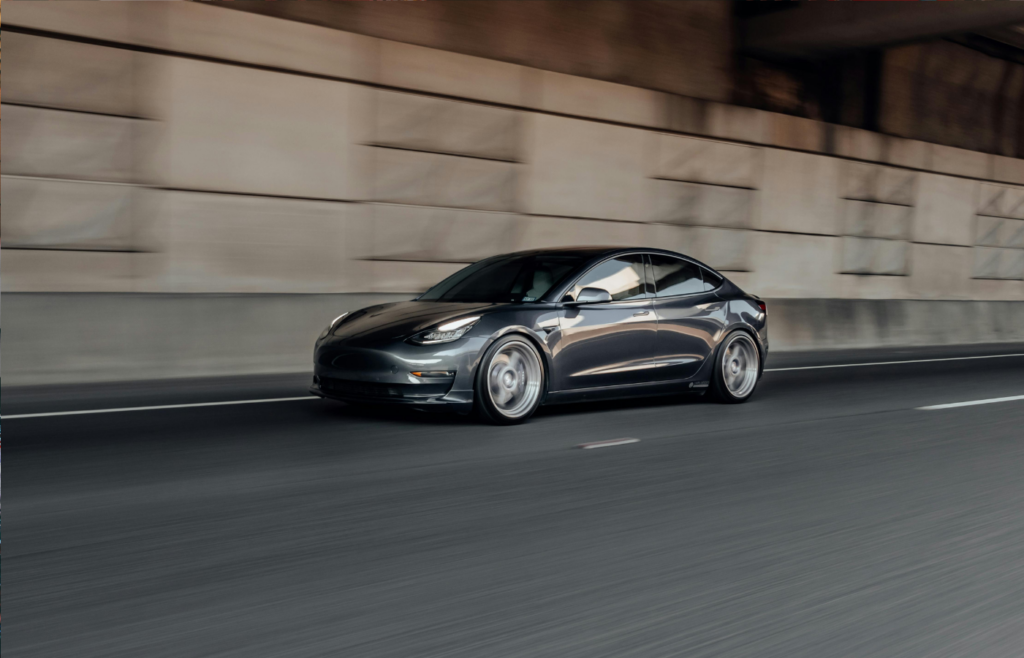
While fully self-driving cars aren’t mainstream yet, 2025 will bring them closer than ever. AI will play a critical role in refining autonomous driving, making self-driving systems more reliable in complex environments. Cars will better recognize pedestrians, navigate construction zones, and adapt to unexpected road conditions.
More vehicles will feature Level 3 autonomy, where the car can handle most driving tasks but still requires human oversight. AI will continue to improve, learning from millions of miles driven to make self-driving cars safer and more efficient. While we may not see widespread robotaxis just yet, AI advancements in 2025 will push us further down the road toward a driverless future.
Read More: 10 Muscle Cars That Made Every Other Car Look Weak
