
Your car is tougher than it looks—but bad habits will wear it down faster than you think. Some things you do every day may be draining your gas, killing your parts, and costing you way more at the repair shop.
Want your car to last longer and your bank account to stay happier? Watch out for these 12 common driving habits that mechanics say do the most damage over time.
1. Slamming on the Brakes
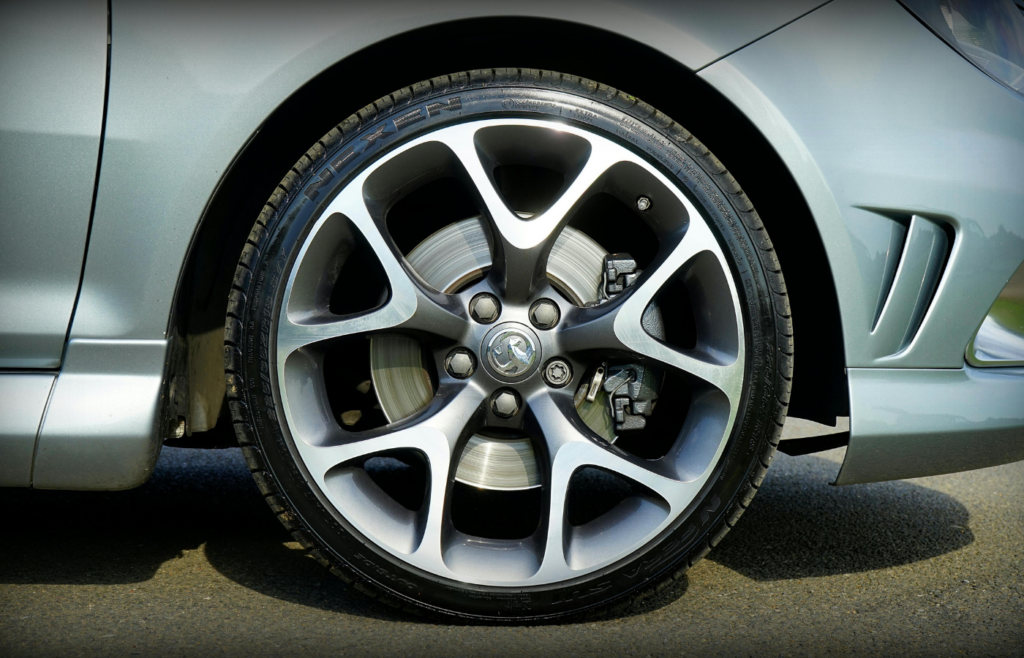
Hard braking doesn’t just wear out your brake pads—it overheats your rotors and stresses your entire braking system.
Instead, leave more space and start braking early. It’s safer, smoother, and way cheaper in the long run.
2. Riding the Brakes on Downhills

Keeping your foot lightly on the brake for long stretches—especially downhill—causes your brakes to overheat and wear out faster.
Use engine braking by shifting into a lower gear, especially on steep grades. It takes pressure off your brake system and keeps you in control.
3. Revving a Cold Engine
When your engine is cold, the oil hasn’t fully circulated yet. Revving it too soon can cause internal damage and speed up engine wear.
Let the engine idle for 30 seconds and drive gently for the first few minutes. Your car—and your wallet—will thank you.
4. Ignoring Warning Lights
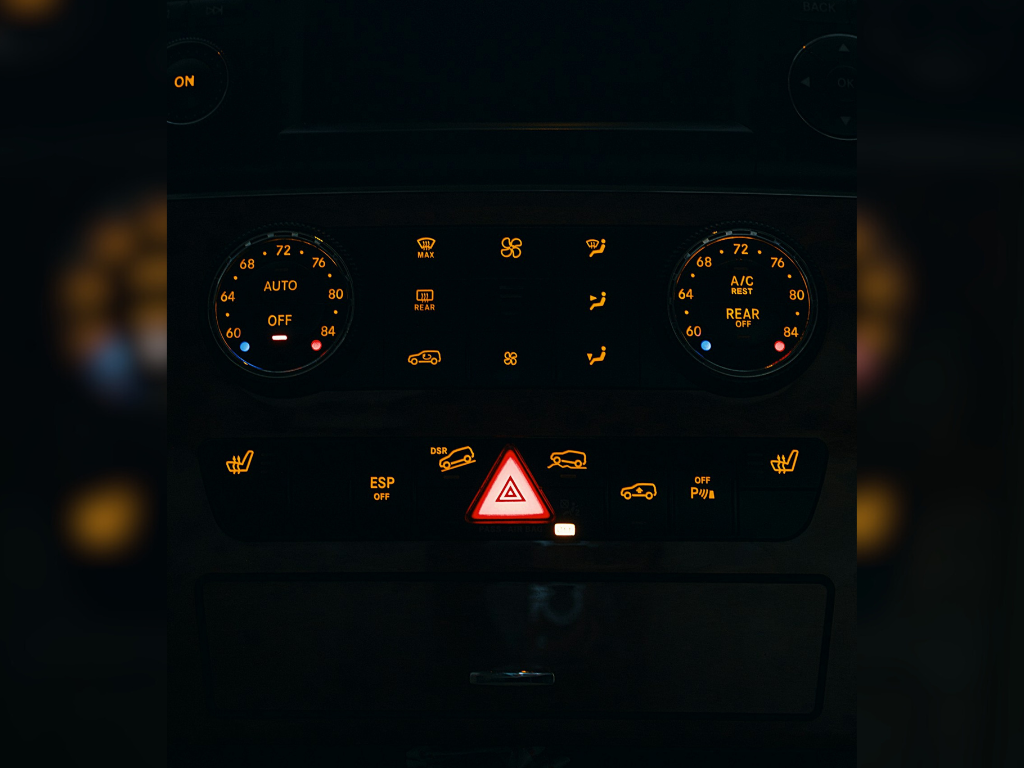
Those lights aren’t just suggestions. Ignoring them can turn a minor issue into a major repair.
If something lights up, don’t wait. A quick diagnostic check could save you hundreds—or thousands—down the road.
5. Flooring the Gas When the Light Turns Green

Stomping the gas pedal burns extra fuel and puts stress on your transmission, engine, and tires. It also doesn’t get you anywhere much faster.
Smooth acceleration saves fuel, reduces wear, and helps your car run better for longer.
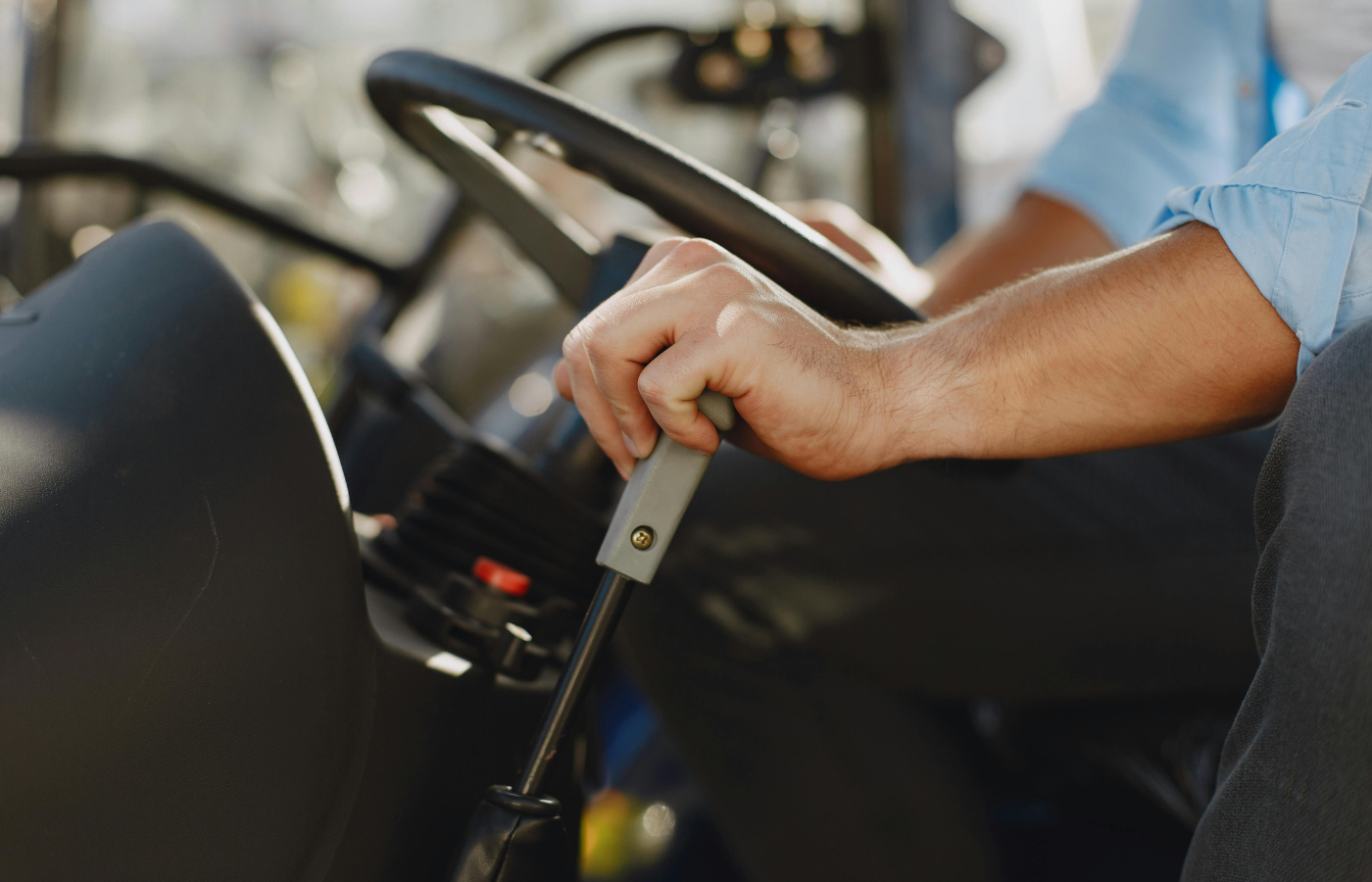
6. Resting Your Hand on the Gear Shifter
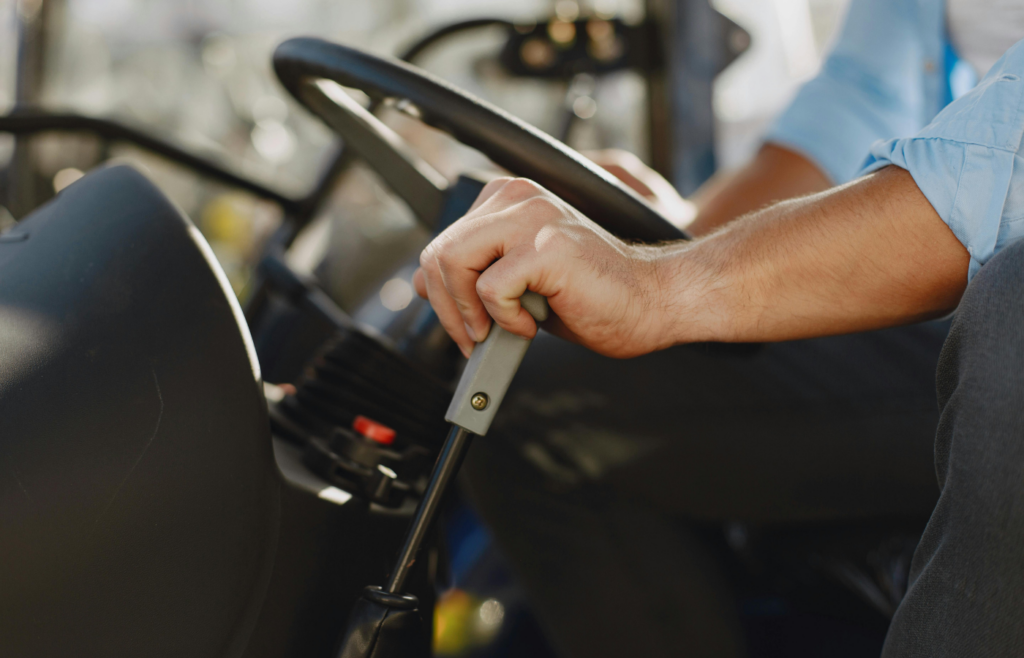
If you drive stick, don’t keep your hand on the shifter. The added pressure can wear out the internal gear linkage and synchros.
Only touch the gearshift when changing gears—then move your hand back to the wheel where it belongs.
7. Running on Empty Too Often
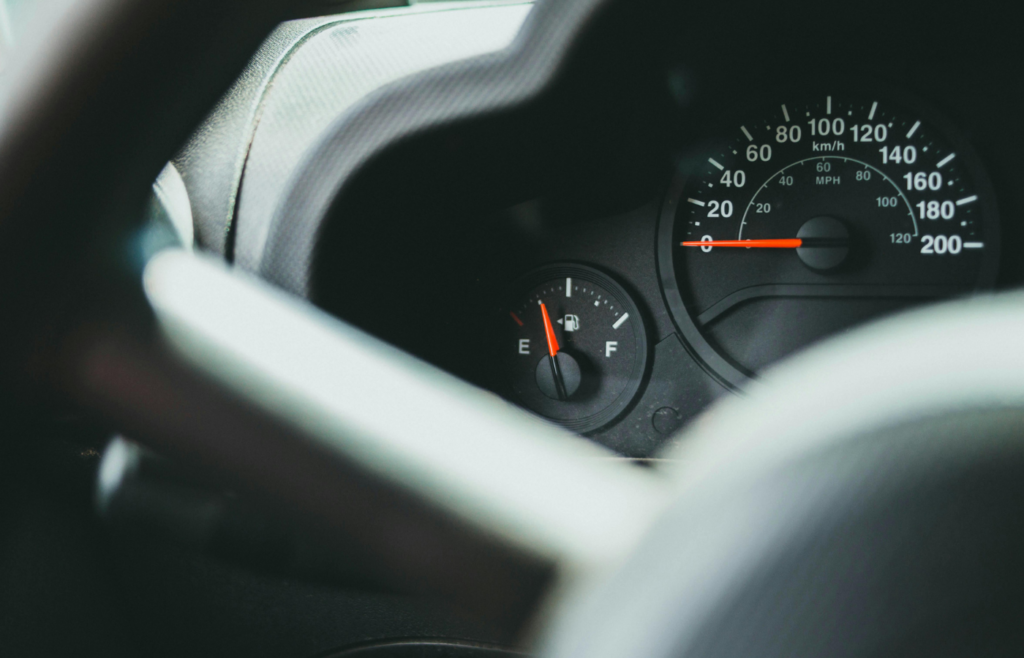
Driving with low fuel puts extra stress on your fuel pump. It can also cause the pump to overheat or pull in sediment from the tank.
Try to keep at least a quarter tank at all times. It’s a simple way to avoid big repair bills.
8. Ignoring Tire Pressure
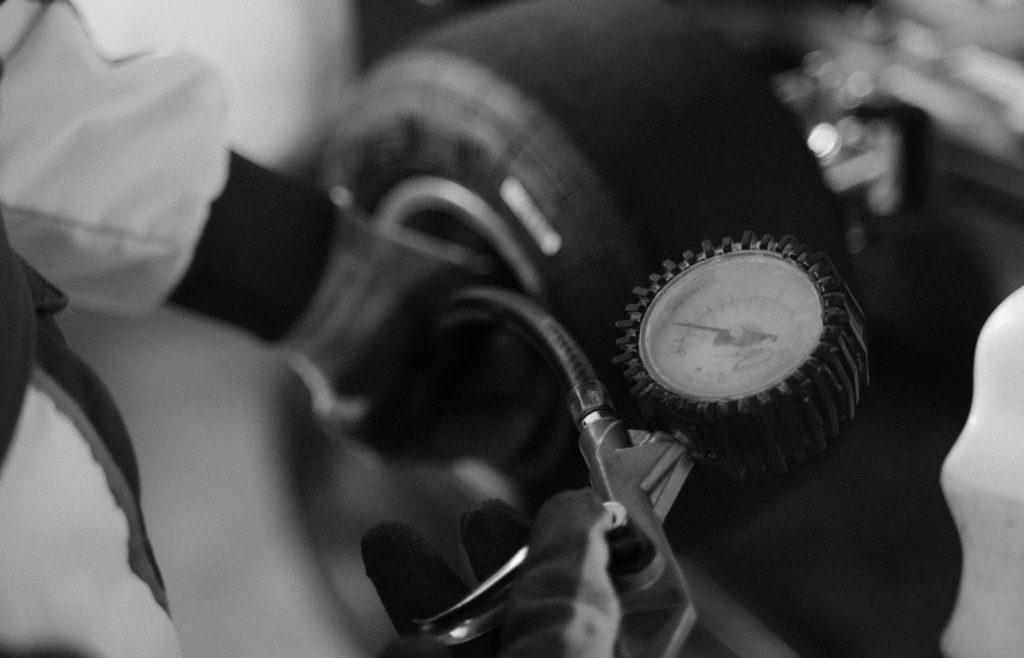
Driving on underinflated or overinflated tires reduces fuel efficiency, wears tires unevenly, and worsens handling.
Check your tire pressure monthly—or more in extreme temperatures—and inflate to the recommended PSI (not the number on the sidewall).
9. Hitting Potholes Without Slowing Down
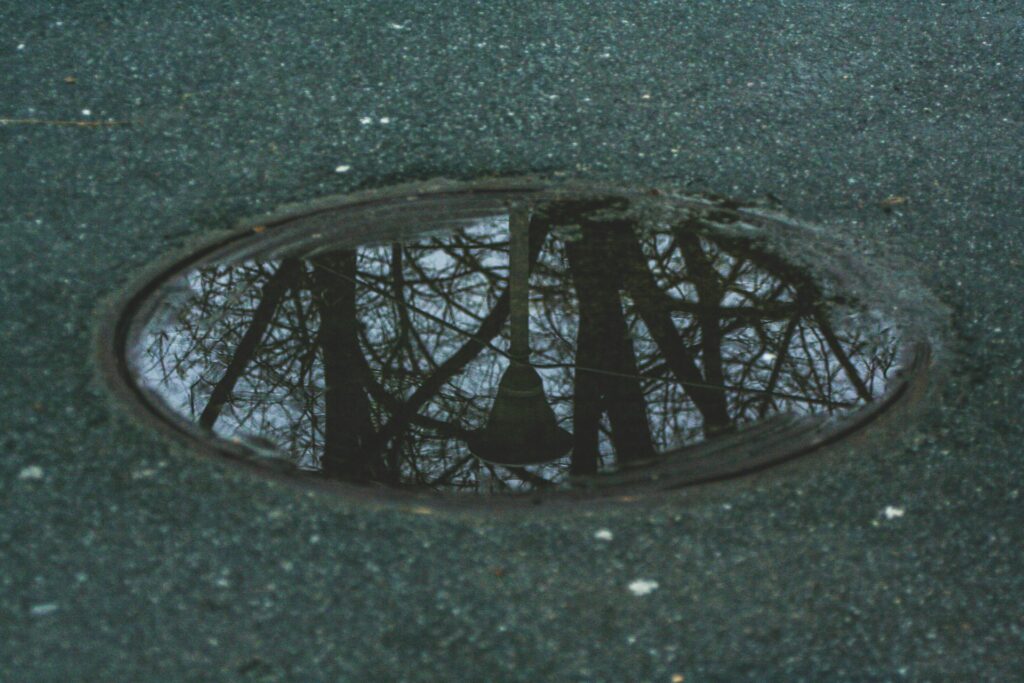
Potholes can bend wheels, knock your suspension out of alignment, and even blow a tire. Repeated hits cause long-term damage.
If you can’t avoid one, slow down before impact—but don’t slam the brakes mid-bump. That can make the damage worse.
10. Resting Your Foot on the Clutch
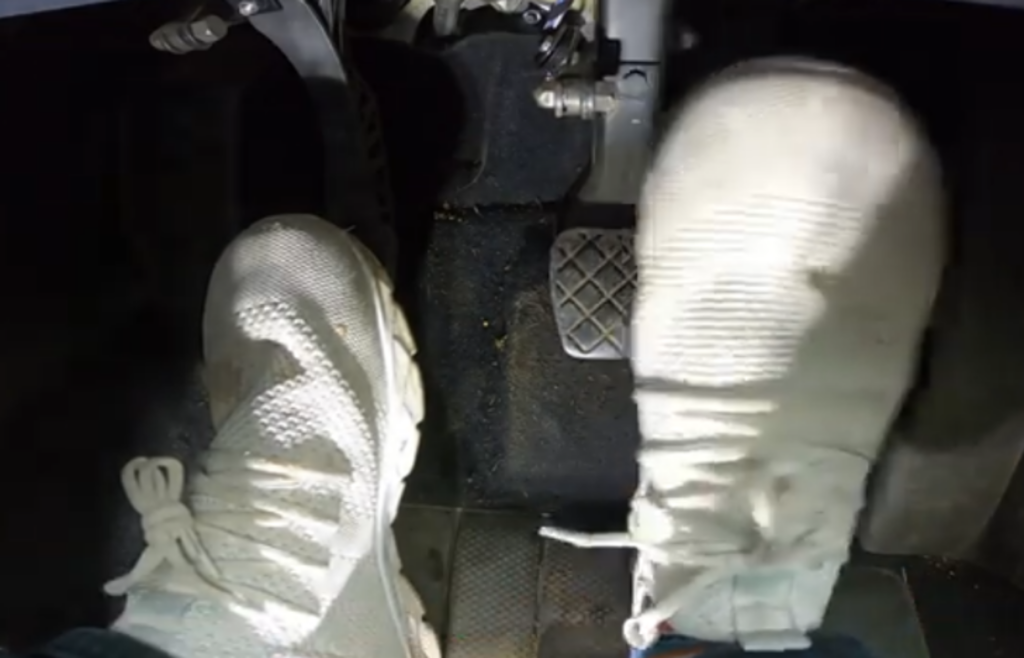
For manual cars, riding the clutch (even a little) causes it to wear out faster. It keeps the clutch partially engaged when it should be resting.
Keep your foot off the clutch pedal unless you’re actively shifting. New clutches aren’t cheap.
Read More: The Unexpected Costs of Owning an Electric Car in 2025
11. Skipping Scheduled Maintenance
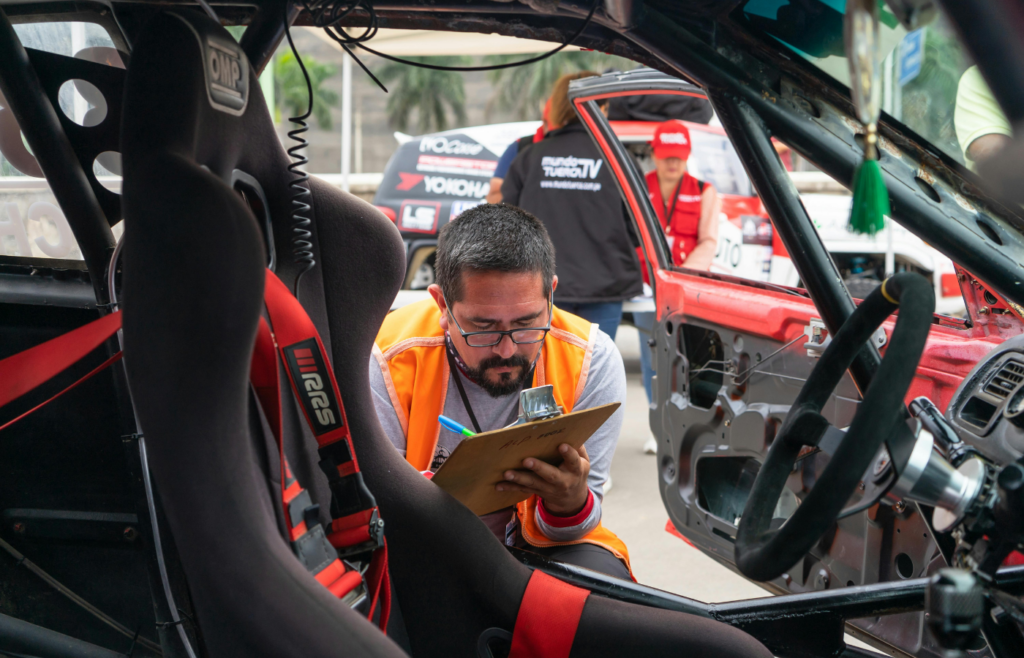
Skipping oil changes, filter replacements, or timing belt service may save you time now—but it almost always costs more later.
Follow the maintenance schedule in your manual. It’s not just a suggestion—it’s a survival guide for your car.
Read More: 10 Trucks So Tough They Might Outlive You
12. Overloading Your Vehicle

Your car has a max load it’s designed to carry. Overloading it puts extra strain on your brakes, suspension, engine, and tires.
Check your owner’s manual for the load limit, and keep your cargo light when you can. Less weight = less wear.
Treat your car right, and it’ll run better, last longer, and cost less. Break a few of these habits, and you might just avoid your next unexpected trip to the mechanic.
Read More: 10 Wild (But Realistic) Predictions for the Next 50 Years of Automotive Tech
